Achieving a perfectly sculpted beard or maintaining impeccable stubble is an art, and every artist needs the right tools. For men who embrace facial hair as a defining element of their style, a reliable beard trimmer is an indispensable companion. This guide will navigate you through the world of beard trimmers, helping you understand their core functions, critical features, and how to select, use, and maintain the ideal device for your grooming routine.
An Overview of Beard Trimmers
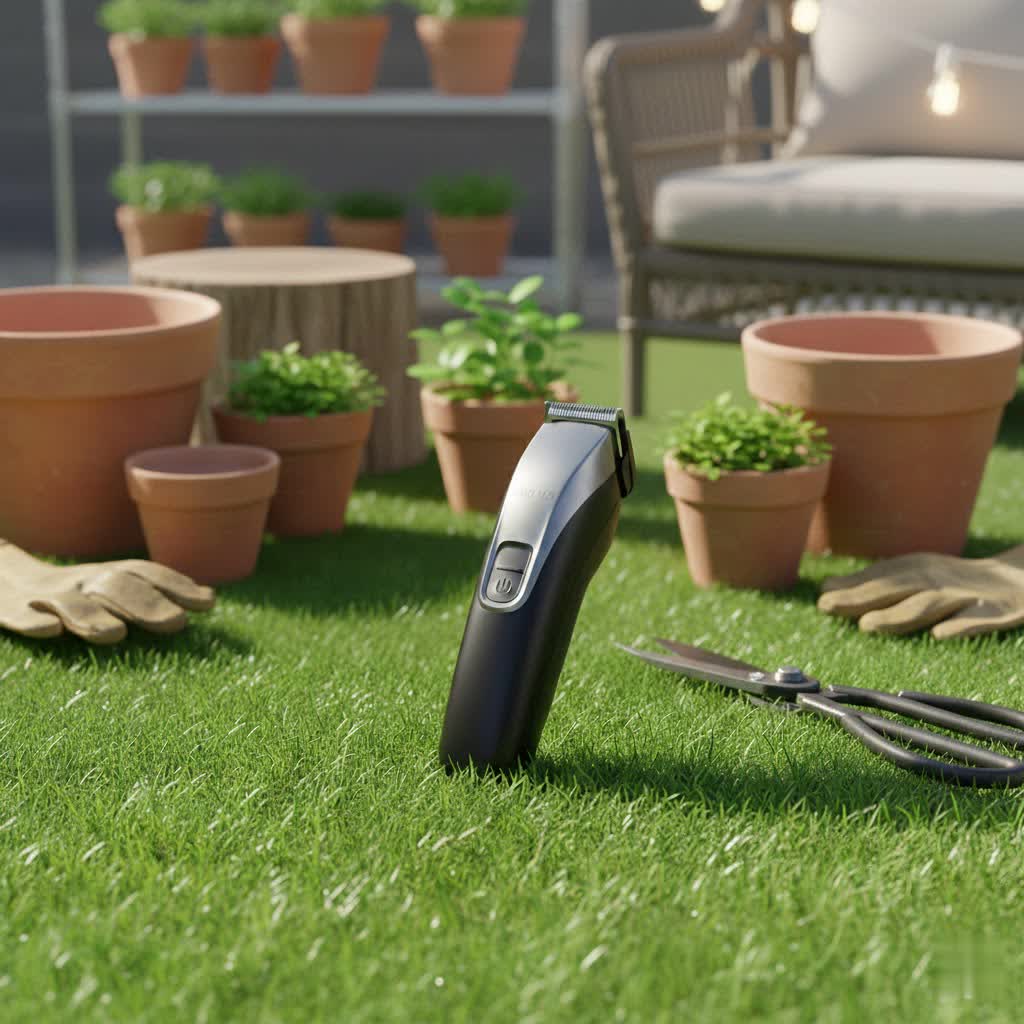
A Beard Trimmer is a specialized grooming device meticulously designed to trim, shape, and maintain facial hair with precision. Unlike hair clippers, beard trimmers typically offer finer length adjustments and often come with attachments tailored for facial contours. Their primary purpose is to help achieve a consistent beard length, create sharp lines, and manage stubble, contributing to a polished and refined appearance.
Historically, men relied on scissors and razors for beard maintenance. The advent of electric trimmers revolutionized grooming, offering convenience, speed, and consistent results. Today’s market boasts a variety of types, each catering to different needs. Corded trimmers provide continuous power, ideal for longer grooming sessions without worrying about battery life, though they limit mobility. Cordless trimmers, powered by rechargeable batteries, offer unparalleled freedom of movement, making them perfect for travel or quick touch-ups. However, battery life and charging time are crucial considerations for these models. Multi-groomers are versatile tools equipped with various interchangeable attachments, allowing them to tackle not only beard trimming but also body hair, nose, and ear hair. Lastly, detail trimmers feature smaller, narrower blades, excelling at intricate tasks like shaping mustaches, sideburns, and creating crisp outlines.
Essential Criteria for Selecting a Beard Trimmer
Choosing the right beard trimmer involves evaluating several key factors that directly impact performance, versatility, and user experience.
Blade Quality and Material
The blades are the heart of any beard trimmer, dictating the quality of the cut and overall comfort. High-quality blades ensure a smooth, precise trim without snagging or pulling, reducing irritation. Common blade materials include:
- Stainless Steel: Durable, rust-resistant, and cost-effective. Many self-sharpening blades are made from stainless steel, ensuring long-lasting sharpness through friction during use.
- Titanium: Known for exceptional hardness and durability, offering long-lasting sharpness and corrosion resistance.
- Ceramic: Often preferred for sensitive skin due to its cooler operation and smooth glide, which minimizes heat build-up and potential irritation.
|
Our Picks for the Best Beard Trimmer in 2026
As an Amazon Associate I earn from qualifying purchases.
|
||
| Num | Product | Action |
|---|---|---|
| 1 | Philips Norelco All-in-One 3000 Series 13 in 1 Trimmer, Beard Styler & Men's Hair Clipper, 9 Length Settings & Self-Sharpening Skin-Friendly Blades, MG3919/50 |

|
| 2 | Norelco Philips Multigroom 7000 Series, All-in-One Trimmer, Beard Trimmer and Hair Clipper, 19-Piece Men's Grooming Kit for Beard, Head, Hair, Body, and Face, Soft Pouch, MG7910/49 |
|
| 3 | DUN Ceramic Cutter Cordless Hair Clippers for Men & Women, Professional Home-Use Hair Trimmer with LCD Display, Waterproof USB-Rechargeable Barber Clippers & Mens Clippers, (Gray/Black) |
|
| 4 | Philips Norelco All-in-One 3000 Series 13 in 1 Trimmer for Men, Beard Trimmer & Head Hair Clipper, Full Metal Self-Sharpening Blades & 8 Length Settings, MG3939/50 |
|
| 5 | Supreme Trimmer T Shaper Professional Barber Trimmer - 90 Min Runtime, Low Noise Clippers for Men & Sensitive Skin - Cordless Zero Gap Beard Trimmer - ST5210 |
|
| 6 | Ufree Beard Trimmer for Men, Waterproof Electric Razor for Nose, Body, Face & Mustache, Cordless Hair Clippers Shavers Grooming Kit, Gifts for Men Husband Father |
|
| 7 | Hair Clippers with LED Power Display, 3-Piece Professional Grooming Kit Includes Hair Clipper, Detail Trimmer and Nose Trimmer, Complete Cordless Set for Home Barber Use (Black) |
|
| 8 | SHPAVVER Beard Trimmer for Men: Professional Barber Hair Clippers - 12-in-1 Cordless Grooming Kit - Waterproof Electric Razor with Turbo Speed & Precision Blades |
|
| 9 | MANSCAPED® The Beard Hedger® Premium Men's Beard Trimmer, 20 Length Adjustable Blade Wheel, Stainless Steel T-Blade for Precision Facial Hair Trimming, Cordless Waterproof Wet/Dry Clipper |
|
| 10 | Panasonic Cordless Beard Trimmer for Men with Precision Dial, 19 Adjustable Length Settings, Rechargeable Battery, Washable - ER-GB42-K (Black) |
|
Look for trimmers with self-sharpening blades, as they maintain their cutting efficiency over time, requiring less maintenance and replacement. Precision-ground blades are also vital for achieving sharp lines and even trims.
Power Source and Battery Life
The power source significantly influences a trimmer’s convenience and reliability.
- Corded vs. Cordless: Corded models guarantee consistent power for extended use, removing any battery anxiety. Cordless trimmers offer maximum flexibility and portability, ideal for grooming on the go.
- Battery Type: Lithium-ion batteries are standard in high-quality cordless trimmers, known for their longer runtime (often 60-180 minutes on a full charge) and faster charging capabilities.
- Charging Time and Quick Charge: A good trimmer should fully charge within a few hours, and a quick-charge feature (e.g., 5-10 minutes for one trim) can be a lifesaver when you’re in a hurry.
- Worldwide Voltage: For frequent travelers, a trimmer with worldwide voltage compatibility is essential.
Key Features and Attachments
Modern beard trimmers come loaded with features designed to enhance your grooming experience.
- Adjustable Length Settings: This is paramount for achieving various beard styles, from a short stubble to a full, long beard. Trimmers typically offer a range of length settings via a zoom wheel or multiple guard combs.
- Specialized Attachments: Many trimmers include detailer blades for intricate shaping, nose and ear hair trimmers for overall tidiness, or even larger body groomer attachments for comprehensive hair management.
- Waterproof Design (Wet & Dry Use): A waterproof trimmer allows for convenient use in the shower and easy cleaning under running water, promoting hygiene and extending the device’s lifespan.
- Vacuum System: Some innovative trimmers, like the Remington Vacuum Beard and Stubble Trimmer, incorporate a vacuum chamber to collect trimmed hairs, significantly reducing mess in the bathroom.
- Other Features: Consider LED indicators for battery status, a travel lock to prevent accidental activation, and noise reduction technology for a quieter grooming experience.
Design, Ergonomics, and Durability
A comfortable and well-built trimmer enhances precision and makes grooming a more enjoyable task.
- Ergonomics and Grip: The trimmer should feel balanced and comfortable in your hand, with an ergonomic design and non-slip grip that allows for easy maneuvering, especially in hard-to-reach areas.
- Build Material: Trimmers made with high-quality materials, such as metal casing, often feel more premium and robust than all-plastic models, suggesting greater durability.
- Longevity and Warranty: A durable trimmer is a wise investment. Look for brands known for their build quality and check the warranty period for peace of mind.
Comparing Top-Rated Beard Trimmers
The market offers a diverse range of excellent beard trimmers, each with its strengths. Here’s a look at some prominent models and their notable characteristics, based on widespread reviews and features:
- Philips Norelco Series 9000 Prestige: This model consistently ranks high for its premium feel and exceptional precision. It often features stainless steel blades, a robust metal body, and numerous length settings (e.g., 30 settings with 0.4mm precision), making it ideal for those seeking a luxury grooming experience with a durable device. It’s typically waterproof with a strong battery life of around 2 hours.
- Braun Beard Trimmers (e.g., BT7240, Series 7 All-in-One): Braun trimmers are frequently praised for their precision cutting technology and versatile grooming kits. Many models offer a wide range of length settings, washable designs for easy maintenance, and impressive battery runtimes, often exceeding an hour. Their all-in-one kits provide attachments for various grooming needs.
- Wahl Stainless Steel Lithium Ion+: Wahl is a reputable brand known for professional-grade grooming tools. Their stainless steel lithium-ion trimmers are lauded for their powerful motors, self-sharpening blades, and long battery life (some boast up to 6 hours of runtime). They are often considered highly durable and effective for tackling thick beards.
- Manscaped The Beard Hedger: Gaining popularity for its focused design, this trimmer offers a powerful motor and an adjustable length setting system. It’s often highlighted for its travel-friendly design and efficiency in maintaining stubble and shorter beard styles.
- Remington Vacuum Beard and Stubble Trimmer 6000: This innovative trimmer stands out with its integrated vacuum system, which captures up to 95% of trimmed hairs. Users appreciate the significantly reduced cleanup time. While highly convenient, some users note the vacuum chamber can be somewhat awkward to empty.
Each of these brands and models offers unique benefits, catering to different preferences regarding precision, versatility, battery performance, and specialized features.
How to Use and Maintain Your Beard Trimmer
Proper usage and regular maintenance are crucial for achieving optimal results and extending the lifespan of your beard trimmer.
Step-by-Step Usage Guide:
- Prepare Your Beard: Ensure your beard is clean and dry (unless using a wet/dry trimmer in the shower). Comb through your beard to detangle any knots and align the hairs.
- Select Your Length: Attach the appropriate guard comb or adjust the built-in length setting to your desired beard length. Start with a longer setting than you think you need; you can always go shorter.
- Trim Against the Grain: For a uniform trim, move the trimmer against the direction of hair growth. Use light, even pressure.
- Shape Your Neckline and Cheekline: Remove the guard comb for precise edging. For the neckline, create an imaginary line about an inch or two above your Adam’s apple, trimming everything below it. For cheeklines, follow the natural curve of your cheek or create a clean, straight line.
- Detailing: Use a detail trimmer attachment or the bare blade (with extreme caution) to define sideburns, mustache, and any intricate areas.
- Review and Clean Up: Step back and check for any missed spots or uneven areas. Use a soft brush to remove loose hairs from your face and neck.
Cleaning and Maintenance Tips:
- Clean After Every Use: Remove the blade head and brush away loose hairs. For waterproof trimmers, rinse the blades and head under running water. Ensure all parts are completely dry before reassembling.
- Oil the Blades (if recommended): Many trimmers benefit from regular oiling (usually every few uses) to maintain blade sharpness and smooth operation. Apply a drop or two of blade oil (often included) to the blades.
- Store Properly: Keep your trimmer in a clean, dry place, ideally in its charging stand or a travel case to protect it from damage.
- Charge Regularly: For cordless trimmers, charge the battery as recommended by the manufacturer to maintain its health, avoiding overcharging or letting it completely die out too often.
Safety Precautions:
- Always read the instruction manual before first use.
- Never use a damaged trimmer, especially if the blades are bent or broken, as it can cause cuts or irritation.
- Keep the trimmer away from water if it’s not explicitly designed for wet use.
- Store out of reach of children.
Where to Purchase a Reliable Beard Trimmer
Finding a reliable beard trimmer involves knowing where to shop and what to look for beyond the product itself.
- Online Retailers: Major e-commerce platforms like Amazon, Flipkart, and the official brand websites (Philips Norelco, Braun, Wahl, Manscaped, Remington) offer a vast selection, competitive pricing, and user reviews. Be sure to check seller authenticity.
- Electronics Stores: Large electronics retailers often have a dedicated grooming section where you can physically inspect models and get advice from sales associates.
- Specialty Grooming Stores: These shops may offer a curated selection of high-end or professional-grade trimmers, along with expert guidance.
When purchasing, always verify the product’s authenticity, check the manufacturer’s warranty policy (including duration and coverage), and understand the return and exchange procedures of the retailer. Reputable sellers and brands typically offer good customer support and honor their warranties.
Buying Guide: Expert Tips for Your Perfect Pick
Making an informed decision about your next beard trimmer can seem daunting with so many options. Here are some expert tips to guide your choice.
Assess Your Grooming Needs
Before diving into product specifications, take a moment to understand your personal grooming style and habits.
- Your Preferred Beard Style: Do you maintain a short stubble, a medium-length beard, or a long, full beard? This will determine the range of length settings and attachments you need. Precision for outlining and detailing is crucial for sharp styles, while powerful motors and sturdy blades are essential for thicker, longer beards.
- Frequency of Use: If you trim daily, durability and battery life become even more critical. For occasional touch-ups, a simpler model might suffice.
- Travel Habits: If you travel frequently, a compact, lightweight, cordless trimmer with a long battery life and worldwide voltage is a must-have.
- Your Budget: Beard trimmers range from budget-friendly options to premium devices. Determine how much you’re willing to invest, balancing cost with desired features and quality.
Research Brands and Reviews
A little research goes a long way in finding a high-quality product that aligns with your expectations.
- Read Reviews and Comparisons: Consult reputable review sites, tech blogs, and grooming forums for unbiased opinions and performance insights. Pay attention to feedback regarding blade quality, battery life, ease of cleaning, and overall durability.
- Seek Recommendations: Talk to friends, family, or your barber. Personal experiences can provide invaluable insights into a trimmer’s real-world performance.
- Consider In-Store Experience: If possible, visit a physical store to hold different models. Feel the ergonomics, weight, and build quality to ensure it feels comfortable and well-suited to your hand.
Understand Warranty and Support
A strong warranty and accessible customer support are indicators of a manufacturer’s confidence in their product and commitment to customer satisfaction.
- Warranty Duration: Note the length of the warranty period. Longer warranties (e.g., 2-5 years) generally indicate higher product confidence.
- Coverage: Understand what the warranty covers (e.g., motor, battery, manufacturing defects) and what it excludes (e.g., normal wear and tear, accidental damage).
- Service Procedures: Familiarize yourself with the process for warranty claims or repairs. Easy-to-access customer service and straightforward procedures can save you hassle down the line.
“The best beard trimmer isn’t just about the brand name; it’s about how well it integrates into your daily routine and helps you express your unique style with confidence.” – Admin, Reviewsrrr.com
Conclusion
Choosing the perfect beard trimmer is an investment in your personal style and grooming confidence. By understanding the different types, carefully evaluating blade quality, power source, key features, and ergonomic design, you can make an informed decision that meets your specific needs. Remember to consider your beard style, usage frequency, and budget, and always prioritize durable devices from reputable brands with solid warranties. With the right beard trimmer in hand, you’re equipped to maintain a sharp, well-groomed look effortlessly. What will your ideal beard trimmer empower you to create?
Frequently Asked Questions
What are self-sharpening blades and why are they important?
Self-sharpening blades are designed to gently sharpen themselves as they operate, maintaining their cutting edge over time. This continuous sharpening ensures a consistent, clean cut, reduces the risk of tugging or pulling hairs, and extends the overall lifespan of the blade, providing a smoother grooming experience without frequent blade replacements.
How often should I clean my beard trimmer?
It is highly recommended to clean your beard trimmer after every single use. Removing trimmed hairs and debris prevents buildup that can affect performance, dull the blades, and harbor bacteria. For waterproof models, a quick rinse under running water is sufficient, while others may require brushing and oiling.
Is a corded or cordless beard trimmer better?
The choice between corded and cordless depends on your lifestyle. Corded trimmers offer continuous power, ideal for longer sessions and ensuring you never run out of battery. Cordless trimmers provide ultimate flexibility and portability, perfect for travel or grooming without being tethered to an outlet, but require mindful charging.
Can I use a beard trimmer for other body hair?
Many modern beard trimmers are designed as multi-groomers and come with various attachments specifically for trimming body hair, nose hair, and ear hair. However, if a trimmer is not explicitly labeled as a multi-groomer, it’s generally best to use specialized tools for different body areas to ensure hygiene and prevent irritation.
What’s the ideal battery life for a cordless beard trimmer?
For most users, a cordless beard trimmer with a battery life of at least 60 to 90 minutes on a full charge is considered ideal. This duration provides ample time for a comprehensive grooming session. Additionally, look for models with quick-charge features for added convenience in emergencies.
