Achieving a perfectly groomed look, whether it’s a meticulously shaped beard, a neat haircut, or a smooth body, begins with the right tools. In the vast world of personal grooming, the Hair And Beard Trimmer stands out as an indispensable device for modern men. But with countless options flooding the market, how do you navigate the choices to find the one that truly fits your unique style and needs? This comprehensive guide will equip you with the knowledge to select, use, and maintain the ideal trimmer, transforming your grooming routine from a chore into a precision art.
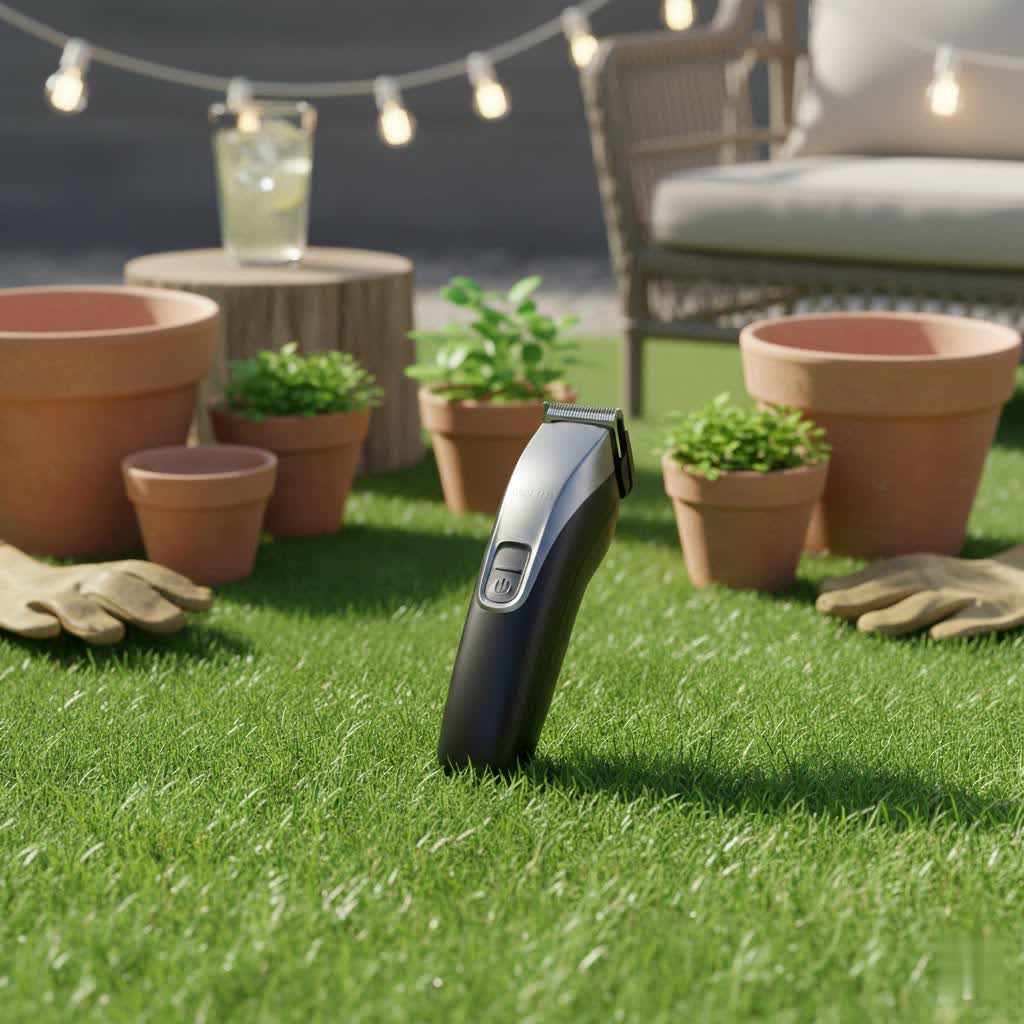
An Overview of Hair and Beard Trimmers
At its core, a hair and beard trimmer is a versatile grooming device designed to cut hair to a specific, uniform length. Unlike traditional razors that provide a close shave, trimmers are engineered for maintaining facial hair, creating sharp lines, and sculpting various styles. They serve as a bridge between a clean-shaven look and a full, untamed beard, offering endless possibilities for personal expression.
The evolution of trimmers has seen them transform from basic, corded devices into sophisticated, cordless multi-groomers. Early models focused solely on facial hair, often with limited length settings. Today, advancements in battery technology, blade materials, and ergonomic design have led to devices capable of handling hair from head to toe, featuring specialized attachments for different body areas.
Modern markets offer several popular types of trimmers, each catering to distinct grooming needs:
- Beard Trimmers: Specifically designed for facial hair, these typically feature precision blades and a range of guard lengths for shaping and detailing.
- Hair Trimmers/Clippers: Often with wider blades and more powerful motors, these are ideal for cutting and styling hair on the head, including fades and buzz cuts.
- Multi-Purpose/Multi-Grooming Kits: These all-in-one solutions come with interchangeable heads and attachments for hair, beard, nose, ear, and body grooming, offering excellent value and versatility.
- Detail Trimmers: With very narrow heads, these are perfect for intricate styling, sharp lines, and precision work around the mustache, goatee, and sideburns.
Essential Criteria for Choosing a Hair and Beard Trimmer
Selecting the perfect hair and beard trimmer requires a careful consideration of several key factors that directly impact performance, comfort, and longevity.
Blade Type
The quality and material of the blades are paramount to a trimmer’s effectiveness and your grooming experience. Dull or low-quality blades can pull and tug at hairs, leading to irritation and an uneven cut.
- Stainless Steel Blades: These are the most common, known for their durability and suitability for general-purpose trimming. Many feature self-sharpening capabilities to maintain their edge over time.
- Titanium-Coated Blades: Offering enhanced durability and often hypoallergenic properties, titanium-coated blades are resistant to corrosion and maintain sharpness longer than basic stainless steel.
- Ceramic Blades: Renowned for their extreme sharpness, longevity, and resistance to heat, ceramic blades are often found in professional-grade trimmers. They are excellent for precise cuts and can be gentler on sensitive skin.
- High Carbon Steel Blades: Brands like Wahl often use high carbon steel, which is engineered to stay sharper for extended periods.
|
Our Picks for the Best Beard Trimmer in 2026
As an Amazon Associate I earn from qualifying purchases.
|
||
| Num | Product | Action |
|---|---|---|
| 1 | Panasonic Cordless Beard Trimmer for Men with Precision Dial, 19 Adjustable Length Settings, Rechargeable Battery, Washable - ER-GB42-K (Black) |

|
| 2 | MANSCAPED® The Beard Hedger® Premium Men's Beard Trimmer, 20 Length Adjustable Blade Wheel, Stainless Steel T-Blade for Precision Facial Hair Trimming, Cordless Waterproof Wet/Dry Clipper |
|
| 3 | DUN Ceramic Cutter Cordless Hair Clippers for Men & Women, Professional Home-Use Hair Trimmer with LCD Display, Waterproof USB-Rechargeable Barber Clippers & Mens Clippers, (Gray/Black) |
|
| 4 | Ufree Beard Trimmer for Men, Waterproof Electric Razor for Nose, Body, Face & Mustache, Cordless Hair Clippers Shavers Grooming Kit, Gifts for Men Husband Father |
|
| 5 | Philips Norelco All-in-One 3000 Series 13 in 1 Trimmer for Men, Beard Trimmer & Head Hair Clipper, Full Metal Self-Sharpening Blades & 8 Length Settings, MG3939/50 |
|
| 6 | SHPAVVER Beard Trimmer for Men: Professional Barber Hair Clippers - 12-in-1 Cordless Grooming Kit - Waterproof Electric Razor with Turbo Speed & Precision Blades |
|
| 7 | Supreme Trimmer T Shaper Professional Barber Trimmer - 90 Min Runtime, Low Noise Clippers for Men & Sensitive Skin - Cordless Zero Gap Beard Trimmer - ST5210 |
|
| 8 | Norelco Philips Multigroom 7000 Series, All-in-One Trimmer, Beard Trimmer and Hair Clipper, 19-Piece Men's Grooming Kit for Beard, Head, Hair, Body, and Face, Soft Pouch, MG7910/49 |
|
| 9 | Hair Clippers with LED Power Display, 3-Piece Professional Grooming Kit Includes Hair Clipper, Detail Trimmer and Nose Trimmer, Complete Cordless Set for Home Barber Use (Black) |
|
| 10 | Philips Norelco All-in-One 3000 Series 13 in 1 Trimmer, Beard Styler & Men's Hair Clipper, 9 Length Settings & Self-Sharpening Skin-Friendly Blades, MG3919/50 |
|
Regardless of the material, look for blades that promise precision and sharpness to ensure a smooth, efficient cut without snagging.
Power Source
The power source dictates the trimmer’s flexibility and reliability.
- Corded Trimmers: These offer consistent, uninterrupted power, eliminating concerns about battery life. They are generally more powerful and preferred by some professionals, but their mobility is limited by the power outlet.
- Cordless Trimmers: Offering maximum freedom and portability, cordless trimmers are ideal for use anywhere, including travel or in the shower (if waterproof).
- Battery Life and Charging Time: Lithium-ion batteries are the gold standard, providing longer runtimes (often 60-240 minutes on a full charge) and faster charging. A quick-charge function can be a lifesaver for last-minute trims.
- Voltage: Consider universal voltage for international travel.
For those who value convenience and versatility, a high-quality cordless trimmer with excellent battery life is often the preferred choice.
Additional Features
Beyond the basics, several features can significantly enhance your grooming experience.
- Adjustable Cutting Lengths: This is crucial for achieving various styles. Trimmers typically come with multiple comb attachments or a single dial-adjustable comb system, offering a wide range of length settings (e.g., from 0.5mm stubble to 20mm+ for longer beards and hair). Seamless length changes without swapping guards are highly convenient.
- Included Attachments: Look for models that come with specialized heads for different grooming tasks, such as precision detailers for edging, nose and ear trimmers, body grooming attachments, or foil shavers for a smoother finish.
- Waterproof Capabilities (Wet & Dry Use): A waterproof design allows for easy cleaning under running water and the flexibility to trim in the shower, which can reduce mess and soften hair for an easier cut.
- Display Screens: Some advanced models feature LED displays showing battery life, chosen length settings, or even maintenance reminders.
- Vacuum System: Unique to some models, a built-in vacuum system (like those found in Remington trimmers) collects cut hairs as you trim, significantly reducing mess and cleanup time.
Design and Durability
The physical design of a trimmer impacts its comfort, control, and lifespan.
- Ergonomics: A trimmer should feel balanced and comfortable in your hand, with a non-slip grip to ensure precise control during intricate styling. Lightweight designs reduce wrist fatigue during longer grooming sessions.
- Build Materials: High-quality, durable materials for the housing ensure the trimmer can withstand daily use and accidental drops. Look for solid construction that promises longevity.
- Noise Level and Heat Control: Quieter motors provide a more pleasant grooming experience, especially for sensitive individuals or when trimming children’s hair. Effective heat management prevents the device from overheating during extended use.
Comparing the Best Hair and Beard Trimmers on the Market
The trimmer market is competitive, with several brands consistently delivering high-quality products. Here’s a brief look at some top contenders and what makes them stand out:
| Brand/Model | Price Range | Key Features | Pros | Cons | User Rating (Avg.) |
|---|---|---|---|---|---|
| Philips Norelco Multigroom 9000 | Premium | All-in-one grooming, numerous attachments, long battery life (up to 240 mins) | Extreme versatility, powerful motor, excellent precision, great battery | High price point | 4.7/5 |
| Braun All-in-One Series 9 Style Kit | Premium | Multiple attachments for head, face, body; auto-sensing motor, 10 length adjustments | Insanely versatile, tackles any hair length/type, powerful, premium build | Pricey, some attachments might feel overwhelming | 4.6/5 |
| Panasonic Cordless Beard Trimmer | Mid-Range | Super sharp blades, strong motor, rubber grip, 19 quick-dial length settings | Durable, precise, good for coarse hair, reliable brand | May require multiple passes for an even cut | 4.5/5 |
| Remington Vacuum Beard & Stubble Trimmer 6000 | Mid-Range | Built-in vacuum system, lightweight, easy to use | Significantly reduces mess, comfortable to hold, good battery life | Vacuum chamber can be awkward to empty, not as powerful as high-end models | 4.3/5 |
| Philips Norelco OneBlade | Budget | Hybrid trimmer & shaver, wet/dry, replaceable blades | Excellent for stubble & short beards, very gentle on skin, easy to clean | Replacement blades are an ongoing cost, less effective for long, thick beards | 4.4/5 |
| Wahl Lithium Ion + Stainless Steel Trimmer | Mid-Range | High carbon steel blades, long battery life (up to 6 hours), robust construction | Durable, great for thick/coarse hair, professional-grade performance | Can be heavier, may require more user skill for precision | 4.6/5 |
This table offers a snapshot, but individual preferences for features, budget, and specific grooming needs will ultimately guide your choice.
How to Use and Maintain Your Hair and Beard Trimmer Correctly
Proper usage and regular maintenance are crucial for maximizing your trimmer’s performance and extending its lifespan.
Step-by-Step Usage Guide
- Prepare Your Hair: Ensure your hair (beard or head) is clean and dry before trimming. This helps the blades glide smoothly and prevents clogging. For very long beards, you might pre-comb to detangle.
- Choose the Right Guard: Select the appropriate comb attachment or length setting based on your desired style. If unsure, start with a longer setting and gradually reduce it.
- Trim Against the Grain: For an even cut, always move the trimmer against the direction of hair growth. Use light, even strokes.
- Define Lines: For sharp beard lines, remove the guard and use the bare blade carefully to sculpt edges around your neck and cheeks. Use a detail trimmer for intricate work.
- Clean Up: After trimming, use a brush or sponge to remove loose hairs from your face and neck.
Essential Cleaning and Maintenance
Neglecting your trimmer’s maintenance can lead to reduced performance, blade dulling, and even bacterial buildup.
- Clean After Every Use: This is the most critical step.
- Brush Away Hairs: Use the small brush provided with your trimmer (or a soft toothbrush) to gently remove hair clippings from the blades and guards. If detachable, remove the head for thorough cleaning.
- Rinse (if waterproof): If your trimmer is waterproof, rinse the blades and head under warm running water. For a deeper clean, you can use a mild soap. Always ensure the device is completely dry before reattaching parts or storing.
- Tap and Dislodge: A quick tap after each use can help dislodge loose hairs and dead skin, preventing buildup.
- Oil the Blades Regularly: Lubrication is vital for smooth operation and preventing rust.
- Apply one to three drops of blade oil (often included with the trimmer, or use mineral oil) across the front and sides of the blades.
- Turn the trimmer on for about 10-20 seconds to distribute the oil evenly.
- Wipe away any excess oil with a clean cloth. Aim to do this once a month, or after every few uses, especially if you use it frequently or rinse it with water.
- Charge Properly: Always fully charge your cordless trimmer before use. Avoid leaving it partially charged or frequently topping it off for short periods, as this can degrade battery life over time.
- Proper Storage: Once clean and completely dry, store your trimmer in a dry place, ideally in a protective case or drawer, away from moisture and dust. This prevents bacterial growth and protects the blades.
- Replace Dull Blades: Over time, even self-sharpening blades can lose their edge. If you notice tugging, uneven cuts, or reduced efficiency, it might be time to replace the blades or head, as recommended by the manufacturer.
Where to Purchase Reliable Hair and Beard Trimmers
Investing in a quality trimmer means knowing where to buy it from reputable sources.
- Online Retailers: Major online platforms (e.g., Amazon, Walmart, Best Buy) offer vast selections, competitive pricing, and user reviews, making them convenient options. Always check seller ratings and product authenticity.
- Electronics Stores: Retailers specializing in electronics often carry a good range of trimmers. This allows you to physically examine models and get advice from sales associates.
- Department Stores: Many large department stores have dedicated grooming sections with popular brands.
- Brand Websites: Purchasing directly from the manufacturer’s website (e.g., Philips Norelco, Braun, Wahl) guarantees authenticity and typically provides access to full warranties and customer support.
- Specialty Grooming Stores: Barbershop supply stores or dedicated male grooming shops may offer higher-end, professional-grade trimmers and expert advice.
When purchasing, always check for the official warranty, return policies, and customer support options to ensure peace of mind with your investment.
Buying Guide: Expert Tips for Selecting Your Ideal Trimmer
Choosing a hair and beard trimmer is a personal decision, shaped by your lifestyle and grooming aspirations. Here are some final pointers to guide your selection process.
Define Your Grooming Needs
Before diving into specifications, consider how you intend to use the trimmer:
- What is your desired style? Are you maintaining a short stubble, a medium-length beard, or a full, long beard? Do you also plan to cut your hair or groom body hair? Your desired lengths and versatility requirements will guide your choice of attachments and power.
- How often do you travel? If you’re a frequent traveler, a compact, lightweight, cordless model with universal voltage and a good travel case is essential. USB-C charging can be a major plus for convenience.
- What’s your budget? Trimmers range from budget-friendly to premium. While cheaper options exist, investing a bit more often translates to better performance, durability, and a more satisfying experience in the long run.
Research Brands and Reviews Thoroughly
Don’t rely solely on marketing claims.
- Read independent reviews and comparisons: Look for comprehensive reviews from reputable grooming sites or consumer reports that test products rigorously.
- Consult user feedback: Real-world user experiences can highlight practical pros and cons, especially regarding durability, battery life over time, and common issues.
- Ask for recommendations: Friends, family, or professional barbers can offer valuable insights based on their personal experiences.
- Experience in-store (if possible): Hold different models to assess their ergonomics, weight, and overall feel.
Always Verify the Warranty and Support Policies
A good warranty is a testament to the manufacturer’s confidence in their product and offers you protection.
- Understand the warranty period: How long is the device covered for manufacturing defects?
- Know the scope of coverage: Does it cover specific parts, or the entire device? What voids the warranty?
- Check the warranty claim process: Is it straightforward? Is customer support easily accessible?
A solid warranty and reliable customer service can save you significant hassle and cost if you encounter any issues with your trimmer.
Conclusion
The hair and beard trimmer is more than just a grooming tool; it’s an extension of your personal style and a key component in maintaining a polished appearance. By understanding the critical features, comparing top models, and committing to proper usage and maintenance, you can confidently select a device that not only meets your current needs but also empowers you to explore new looks. Investing time in this decision ensures that your trimmer will be a reliable partner in your grooming journey for years to come.
What new style will you create with your perfectly chosen trimmer?
Frequently Asked Questions
What is the difference between a beard trimmer and a hair clipper?
Beard trimmers are generally designed for shorter, more precise cuts on facial hair, often featuring finer blades and smaller guards. Hair clippers, on the other hand, typically have wider blades and more powerful motors to handle larger sections of hair on the head, often providing a broader range of cutting lengths. Many modern devices are “multi-groomers” that combine both functions with interchangeable attachments.
How often should I oil my trimmer blades?
For optimal performance and longevity, it’s generally recommended to oil your trimmer blades once a month or after every few uses, especially if you rinse them with water. This lubrication prevents rust, reduces friction, minimizes noise, and ensures the blades glide smoothly through hair without tugging. Always use specific blade oil or light mineral oil, and wipe away any excess.
Can I use a hair and beard trimmer in the shower?
Only trimmers explicitly labeled as “waterproof” or “wet & dry” can be safely used in the shower. Check your trimmer’s specifications or manual before exposing it to water. Using a non-waterproof trimmer in the shower can lead to electric shock or severe damage to the device. Waterproof models are convenient for mess-free trimming and easier cleaning.
