For many men, a beard is more than just facial hair; it’s a statement, an extension of personality, and a testament to style. But to truly make that statement, a well-maintained beard is essential. Gone are the days of unruly facial fuzz; today, the modern man demands precision, versatility, and ease in his grooming routine. This is where the Male Beard Trimmer steps in, transforming your daily ritual into an art form. This comprehensive guide will navigate you through everything you need to know, from understanding the different types and crucial features to mastering trimming techniques and finding the perfect trimmer to suit your individual needs.
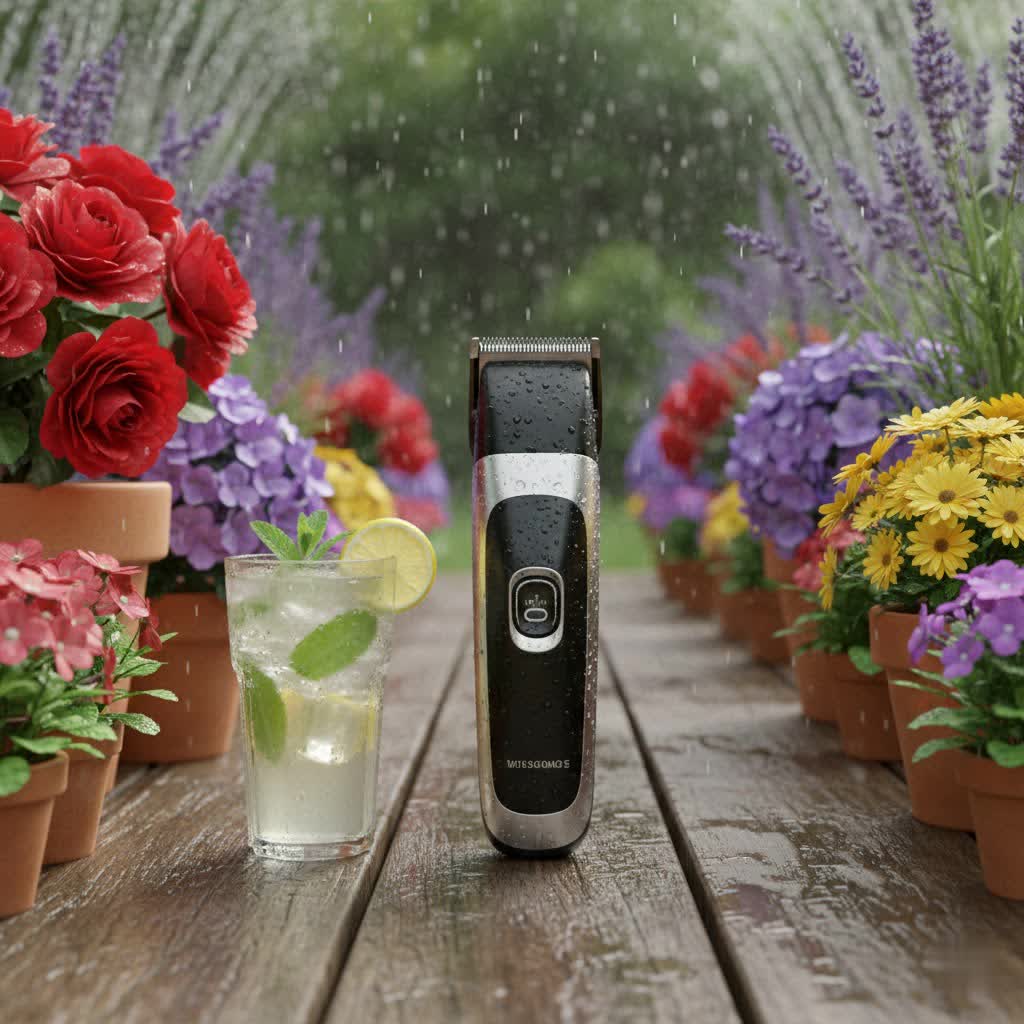
Understanding the Male Beard Trimmer
A male beard trimmer is a specialized electric grooming device designed to trim, shape, and maintain facial hair with ease and precision. Unlike traditional razors that aim for a close shave, beard trimmers offer a range of length settings, allowing you to sculpt anything from a rugged stubble to a full, majestic beard. They provide consistent power and sharper blades, making the grooming process faster, smoother, and more comfortable.
The evolution of beard trimmers has led to two primary categories:
- Corded Trimmers: These trimmers plug directly into a power outlet, offering continuous power without worrying about battery life. They are ideal for longer grooming sessions and are often preferred by professionals for their consistent performance. However, their mobility is restricted by the cord.
- Cordless Trimmers: Battery-operated and rechargeable, cordless trimmers offer unparalleled freedom of movement, making them perfect for travel or quick touch-ups anywhere. Modern cordless trimmers often feature long battery life (typically 60-90 minutes or more) and quick-charge capabilities, largely overcoming their traditional limitations.
Beyond these, some trimmers are part of multi-grooming kits, which include various attachments for trimming hair, nose and ear hair, and even body hair, offering an all-in-one solution for head-to-toe grooming.
Essential Criteria When Choosing Your Male Beard Trimmer
Selecting the right male beard trimmer can feel overwhelming with the myriad of options available. To simplify your choice, consider these critical factors that impact performance, durability, and user experience.
Blade Type
The heart of any beard trimmer lies in its blades. High-quality blades ensure a clean, precise cut without tugging or irritation.
- Materials: Most commonly, blades are made from stainless steel, offering durability and cost-effectiveness. For enhanced sharpness and longevity, titanium coated blades are an excellent choice, known for their lasting edge. Ceramic blades are another option, often favored by those with sensitive skin due to their cooler operation and smooth glide, which helps minimize irritation.
- Design: Look for precision-ground blades rather than stamped ones, as they deliver a superior cutting performance. Some trimmers also feature self-sharpening blades, which maintain their sharpness over time, extending the life of the trimmer and ensuring consistent results.
- Angle: The design and angle of the cutting blades contribute significantly to how effectively they cut through different hair types and densities.
|
Our Picks for the Best Beard Trimmer in 2026
As an Amazon Associate I earn from qualifying purchases.
|
||
| Num | Product | Action |
|---|---|---|
| 1 | SHPAVVER Beard Trimmer for Men: Professional Barber Hair Clippers - 12-in-1 Cordless Grooming Kit - Waterproof Electric Razor with Turbo Speed & Precision Blades |

|
| 2 | MANSCAPED® The Beard Hedger® Premium Men's Beard Trimmer, 20 Length Adjustable Blade Wheel, Stainless Steel T-Blade for Precision Facial Hair Trimming, Cordless Waterproof Wet/Dry Clipper |
|
| 3 | Supreme Trimmer T Shaper Professional Barber Trimmer - 90 Min Runtime, Low Noise Clippers for Men & Sensitive Skin - Cordless Zero Gap Beard Trimmer - ST5210 |
|
| 4 | Philips Norelco All-in-One 3000 Series 13 in 1 Trimmer for Men, Beard Trimmer & Head Hair Clipper, Full Metal Self-Sharpening Blades & 8 Length Settings, MG3939/50 |
|
| 5 | Ufree Beard Trimmer for Men, Waterproof Electric Razor for Nose, Body, Face & Mustache, Cordless Hair Clippers Shavers Grooming Kit, Gifts for Men Husband Father |
|
| 6 | DUN Ceramic Cutter Cordless Hair Clippers for Men & Women, Professional Home-Use Hair Trimmer with LCD Display, Waterproof USB-Rechargeable Barber Clippers & Mens Clippers, (Gray/Black) |
|
| 7 | Hair Clippers with LED Power Display, 3-Piece Professional Grooming Kit Includes Hair Clipper, Detail Trimmer and Nose Trimmer, Complete Cordless Set for Home Barber Use (Black) |
|
| 8 | Norelco Philips Multigroom 7000 Series, All-in-One Trimmer, Beard Trimmer and Hair Clipper, 19-Piece Men's Grooming Kit for Beard, Head, Hair, Body, and Face, Soft Pouch, MG7910/49 |
|
| 9 | Philips Norelco All-in-One 3000 Series 13 in 1 Trimmer, Beard Styler & Men's Hair Clipper, 9 Length Settings & Self-Sharpening Skin-Friendly Blades, MG3919/50 |
|
| 10 | Panasonic Cordless Beard Trimmer for Men with Precision Dial, 19 Adjustable Length Settings, Rechargeable Battery, Washable - ER-GB42-K (Black) |
|
Power Source
Your preferred trimming environment and travel habits should dictate your power source choice.
- Corded vs. Cordless: As discussed, corded trimmers offer uninterrupted power, while cordless models provide flexibility. For most users, the convenience of a cordless trimmer outweighs the need for constant power, especially with improved battery technology.
- Battery Life and Charging Time: If opting for cordless, a decent battery life (60-90 minutes of run time is a good benchmark) and a quick charging feature are invaluable. Many modern trimmers now include USB-C charging, making them highly travel-friendly as you can often use existing cables.
- Motor Power: A robust motor is crucial, particularly if you have a thick or coarse beard. A powerful motor ensures the blades cut through hair smoothly and efficiently, preventing painful snags and uneven trims.
Additional Features
Beyond the basics, various features can significantly enhance your grooming experience.
- Adjustable Length Settings: This is perhaps one of the most important features. Look for a trimmer with a wide range of length settings, often controlled by an adjustable dial or multiple guide combs. More options allow for greater versatility in styling, from a tight stubble (e.g., 0.4mm) to a long, full beard (up to 20mm or more). Single-piece adjustable attachments are often lauded for their convenience, as they eliminate the need to switch out multiple combs.
- Attachments: Many trimmers come with specialized heads for different grooming needs, such as:
- Detail Trimmers: For precise lines around mustaches, sideburns, and beard edges.
- Nose and Ear Trimmers: For removing unwanted hair in these delicate areas.
- Foil Shavers: For achieving an extra-close finish in certain areas.
- Body Grooming Attachments: For maintaining hair on other parts of the body.
- Wet/Dry Operation and Waterproofing: A waterproof trimmer offers the ultimate convenience. You can use it in the shower for a mess-free trim and easily rinse the entire unit under a tap for effortless cleaning, preventing hair buildup and maintaining hygiene.
- Display: Some advanced models feature digital displays showing battery life or selected length settings.
Design and Durability
A well-designed trimmer not only performs better but also feels good in your hand and lasts longer.
- Ergonomics: The trimmer should feel balanced and comfortable to hold, with a non-slip grip, allowing for easy maneuvering and precise control, especially when tackling intricate areas.
- Build Materials: Consider the quality of the casing. Materials like stainless steel not only look premium but also contribute to the trimmer’s overall durability and longevity.
- Longevity: Investing in a durable trimmer from a reputable brand ensures it will withstand regular use for years. Some brands even offer lifetime guarantees on their blades.
Comparison of Popular Male Beard Trimmers Today
Choosing the “best” beard trimmer depends on your personal grooming needs, beard type, and budget. Here’s a comparative look at some highly-rated models that consistently stand out in the market:
| Feature | Philips Norelco Multigroom 9000 | Braun All-in-One Series 9 Style Kit | Panasonic Cordless Beard Trimmer ER-GB42 | Manscaped The Beard Hedger |
|---|---|---|---|---|
| Blade Material | Self-sharpening Stainless Steel | Lifetime Sharp ProBlades | Stainless Steel | Titanium-coated Ceramic |
| Length Settings | 12 guards (1-16mm) | 10 adjustments (0.5-20mm) | 19 settings (0.5-10mm) | Adjustable Dial (0.5-10mm) |
| Battery Life | 5 hours | 3 hours (actual ~2 hours) | 50 minutes | 1 hour |
| Charge Time | 2 hours (5-min quick charge) | 1 hour | 1 hour | USB-C charging |
| Wet/Dry Use | Fully washable | Fully washable | Fully washable | IPX7 waterproof |
| Attachments | 12 guards, precision, standard, wide cutting heads, foil shaver, nose/ear trimmer | 10 attachments including body grooming, nose/ear | Charging stand, cleaning brush, oil | Adjustable comb, USB-C cable |
| Key Advantage | Most versatile, excellent battery life, precision | All-in-one grooming, premium build, lifetime blades | Easy-to-use dial, powerful motor for thick hair | Ergonomic design, USB-C, travel-friendly |
| Consideration | Premium price point | May not reach full 3-hour runtime | Shorter battery life | No quick-charge function |
Note: Prices and specific features can vary by region and model year.
How to Use and Maintain Your Male Beard Trimmer Correctly
Even the best male beard trimmer won’t deliver optimal results without proper technique and care. Here’s a step-by-step guide:
Step-by-Step Usage
- Prepare Your Beard: Always start with a clean, dry beard. Wash your beard with a good beard shampoo and pat it completely dry. Wet hair appears longer, which can lead to over-cutting. Comb your beard thoroughly to remove tangles and ensure all hairs lie in their natural direction.
- Set Your Length: Begin with the longest length setting or guard comb. It’s always easier to take more off than to try and put it back on! Trim your entire beard against the direction of hair growth to remove bulk. Repeat, gradually decreasing the length setting until you achieve your desired beard length.
- Define the Neckline: This is crucial for a clean, professional look. Place one finger horizontally just above your Adam’s apple. This marks your natural neckline. Trim all hair below this imaginary line. Work outwards under your jawline in a gentle U-shape. Avoid trimming too high on the jawline, as this can make your beard look unnatural.
- Shape the Cheek Line: For a natural look, you can leave your cheek line as is. For a sharper, more defined appearance, trim any rogue hairs that grow above the main bulk of your beard. Create a straight or slightly rounded line from your sideburns to your mustache, taking off as little as possible to maintain a high, natural line.
- Trim the Mustache: Comb your mustache hairs straight down over your lip. Using the trimmer (or small beard scissors for finer detail), trim any hairs that fall below your upper lip. Aim for a neat line that follows the curve of your lip.
- Refine and Detail: Use your trimmer’s precision attachment or a smaller setting to neaten up sideburns, edges, and any stray hairs. Point-cutting with scissors can help soften blunt lines for a more natural finish.
- Final Touches: Brush or comb your beard one last time to catch any missed hairs. Apply beard oil or balm to moisturize and style.
Cleaning and Maintenance
Proper care extends the life of your trimmer and ensures optimal performance.
- Clean After Every Use: Remove the guard and brush away any loose hairs from the blades and the trimmer body using the small cleaning brush provided.
- Rinse (if waterproof): If your trimmer is waterproof, rinse the blades and head under running water. Ensure it’s completely dry before storing.
- Oil the Blades: Periodically apply a drop or two of lubricating oil (often included with the trimmer) to the blades. This helps reduce friction, keeps the blades sharp, and prevents rust. Refer to your trimmer’s manual for recommended frequency.
- Charge Properly: For cordless trimmers, follow the manufacturer’s instructions for charging to prolong battery life. Avoid overcharging or fully discharging the battery frequently if your trimmer has an older battery type (though modern lithium-ion batteries are more resilient).
- Store Safely: Store your trimmer and its attachments in a clean, dry place, preferably in a protective pouch or case to prevent damage.
Where to Buy a Reputable Male Beard Trimmer?
When investing in a quality male beard trimmer, it’s crucial to purchase from reputable sources to ensure authenticity and access to warranty services.
- Online Retailers: Major online platforms like Amazon, eBay, and the official websites of brands (e.g., Philips Norelco, Braun, Wahl, Panasonic, Manscaped) offer a wide selection, competitive pricing, and user reviews. Be sure to check seller ratings and product authenticity.
- Electronics and Department Stores: Retailers such as Best Buy, Target, Walmart, and dedicated grooming sections in department stores (like Macy’s or Nordstrom) carry a range of popular beard trimmer brands. Buying in-store allows you to physically inspect the product and consult with sales associates.
- Specialty Grooming Stores: Some dedicated men’s grooming or barber supply stores may offer a curated selection of high-end or professional-grade trimmers, along with expert advice.
- Authenticity and Warranty: Always check for genuine product seals and registration options. Understand the warranty policy regarding duration, coverage, and the process for claims or repairs. A good warranty provides peace of mind and protects your investment.
Buying Guide: Your Experience in Choosing a Male Beard Trimmer
Choosing the perfect male beard trimmer is a personal journey. By asking yourself the right questions and considering your lifestyle, you can find a device that perfectly complements your grooming routine.
Determine Your Usage Needs
Your beard style and habits are the first considerations.
- What Style Are You Going For? Do you prefer a short, neat stubble, a medium-length beard, or a long, full beard? This will determine the range of length settings and guards you need. For precision styling (e.g., goatees, sharp lines), look for trimmers with fine-detail attachments.
- Do You Travel Frequently? If so, a compact, lightweight cordless trimmer with good battery life and USB-C charging capability will be your best friend. A durable travel case is also a bonus.
- What’s Your Budget? Beard trimmers range from budget-friendly options to premium professional-grade models. Determine what you’re willing to spend, balancing features with cost. Often, a mid-range trimmer offers the best value for performance and durability.
- Do You Need Multi-Purpose Grooming? If you also trim your hair, body hair, or nose/ear hair, a multi-grooming kit will be more cost-effective and convenient than buying separate devices.
Research Brands Carefully
The brand often reflects the quality, innovation, and customer support you can expect.
- Read Reviews and Comparisons: Delve into user reviews and expert comparisons online. Pay attention to common praises and complaints, especially regarding blade sharpness, battery performance, ease of cleaning, and motor strength.
- Ask for Recommendations: Friends, family, or your barber might have valuable insights and personal experiences with different models.
- Experience in Store: If possible, visit a physical store to hold different trimmers. How it feels in your hand – its weight, grip, and balance – can significantly impact your comfort and control during use.
Don’t Forget to Check the Warranty Policy
A solid warranty is a testament to the manufacturer’s confidence in their product and offers protection for your investment.
- Warranty Duration: How long is the trimmer covered? Typical warranties range from 1 to 5 years, with some blades offering a lifetime guarantee.
- Coverage Scope: What does the warranty cover? Does it include parts, labor, or just manufacturing defects? Understand what might void the warranty.
- Claim Process: Familiarize yourself with the steps required to make a warranty claim or access customer support, should you ever need it.
> “The right male beard trimmer isn’t just about cutting hair; it’s about crafting your identity. Invest in a tool that respects your style and simplifies your routine.”
Conclusion
The male beard trimmer is an indispensable tool in the modern man’s grooming arsenal, offering the power to sculpt, define, and maintain facial hair with precision and ease. By understanding the different blade types, power sources, versatile features, and ergonomic designs, you can confidently navigate the market. Proper usage and diligent maintenance further ensure that your trimmer remains a reliable partner in your grooming journey. Choosing wisely, from reputable sources and with an eye on warranty, ensures your investment serves your style for years to come. So, what kind of statement will your beard make today?
Frequently Asked Questions
What’s the main difference between a beard trimmer and a hair clipper?
Beard trimmers are designed for finer, more detailed work on facial hair, offering shorter length settings and often having smaller heads for precision. Hair clippers, conversely, are built for bulk removal and shaping on the head, typically having wider blades and more powerful motors for thicker hair, but often lack the precision for intricate beard styling.
Should I trim my beard wet or dry?
It’s generally recommended to trim your beard when it’s clean and dry. Wet hair appears longer than it actually is, which can lead to over-trimming once it dries and shrinks back. Trimming dry allows you to see the true length and shape of your beard, ensuring more accurate and consistent results.
How often should I oil my beard trimmer blades?
The frequency depends on your usage, but a general rule of thumb is to oil your blades after every 2-3 uses, or at least once a month if you use it regularly. Oiling reduces friction, keeps the blades sharp, prevents rust, and ensures smooth operation, extending the life of your trimmer. Always use the specific oil provided by the manufacturer or a compatible blade oil.
