Navigating the world of facial hair grooming can be a challenge, especially when aiming for that perfectly sculpted look. A high-quality beard and mustache trimmer is an indispensable tool, transforming a unruly mane into a statement of style and precision. But with countless options on the market, how do you find the one that truly fits your needs? This comprehensive guide will walk you through everything you need to know, from understanding the basics to expert tips, ensuring you pick the ideal beard and mustache trimmer to master your facial hair game.
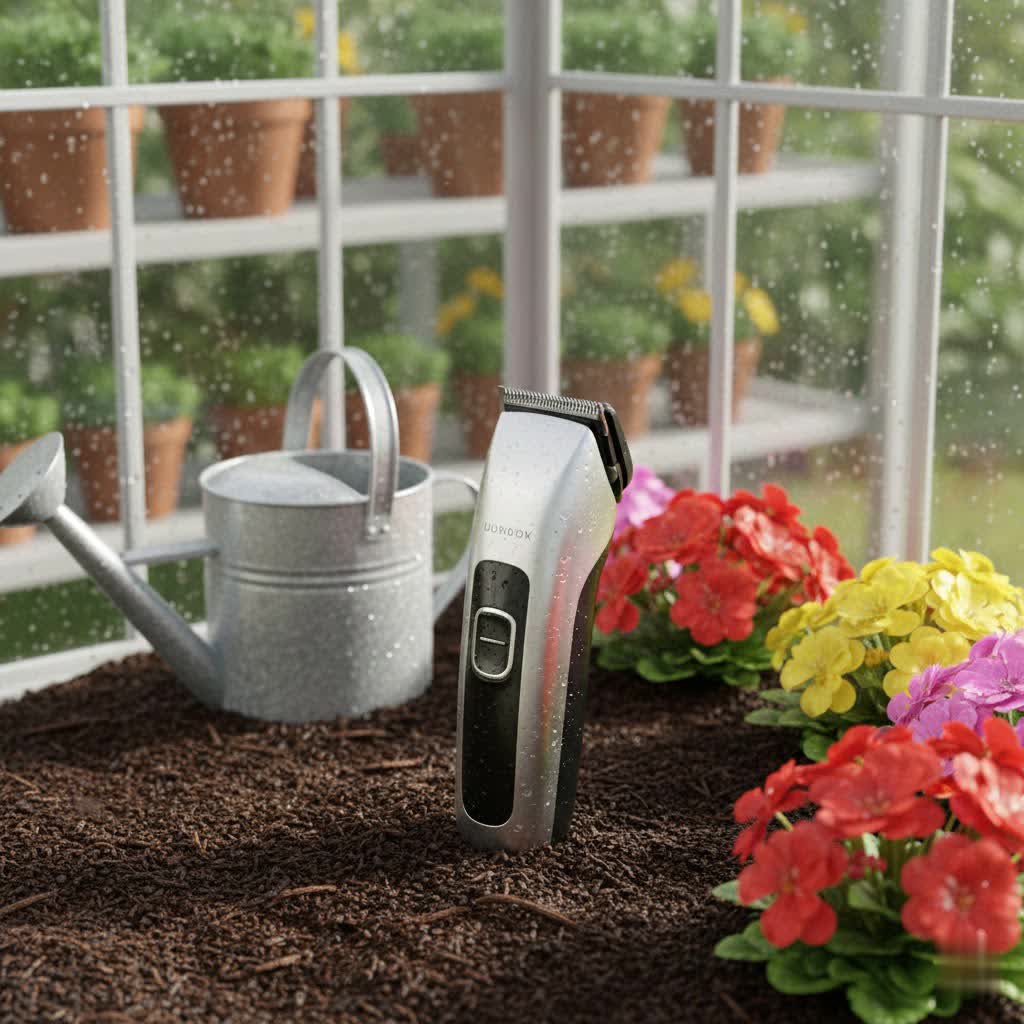
An Overview of Beard Trimmers
At its core, a beard trimmer is an electric grooming device designed to cut facial hair to a uniform length, shape lines, and define edges. Unlike a traditional shaver, which aims for a close, smooth finish, a trimmer offers control over length, allowing for various styles from a neat stubble to a full, well-maintained beard.
The evolution of beard trimmers has been significant. Early models were often basic, providing limited length settings and power. Today, the market boasts sophisticated devices equipped with advanced blade technology, powerful motors, and a plethora of attachments, catering to every imaginable grooming need.
Common types of beard trimmers include:
- Dedicated Beard and Mustache Trimmers: Designed specifically for facial hair, offering precision and a range of length settings.
- Multi-Groomers: Versatile tools that come with interchangeable heads and attachments for trimming not just beards and mustaches, but also hair, body hair, and nose/ear hair.
- Corded Trimmers: Offer consistent power without worrying about battery life, but limit mobility.
- Cordless Trimmers: Provide maximum flexibility and convenience, ideal for travel or use without a nearby power outlet, relying on rechargeable batteries.
Key Criteria for Choosing a Beard Trimmer
Selecting the right beard and mustache trimmer involves considering several critical factors that impact performance, comfort, and longevity.
Blade Type and Material
The blades are the heart of any trimmer, directly influencing the quality and comfort of your trim.
- Materials:
- Stainless Steel: The most common and durable option, often self-sharpening to maintain keenness over time.
- Titanium: Known for being exceptionally strong, lightweight, and hypoallergenic, offering superior durability and corrosion resistance.
- Ceramic: While more brittle, ceramic blades stay cooler during use and are often very sharp, reducing skin irritation.
- Design: Look for blades with a precise cutting angle and ergonomic design that allows for smooth glides without snagging or pulling, even on dense beards. Self-sharpening blades are a significant advantage, as they maintain their edge over years of use, ensuring consistent performance.
|
Our Picks for the Best Beard Trimmer in 2026
As an Amazon Associate I earn from qualifying purchases.
|
||
| Num | Product | Action |
|---|---|---|
| 1 | Philips Norelco All-in-One 3000 Series 13 in 1 Trimmer, Beard Styler & Men's Hair Clipper, 9 Length Settings & Self-Sharpening Skin-Friendly Blades, MG3919/50 |

|
| 2 | DUN Ceramic Cutter Cordless Hair Clippers for Men & Women, Professional Home-Use Hair Trimmer with LCD Display, Waterproof USB-Rechargeable Barber Clippers & Mens Clippers, (Gray/Black) |
|
| 3 | Norelco Philips Multigroom 7000 Series, All-in-One Trimmer, Beard Trimmer and Hair Clipper, 19-Piece Men's Grooming Kit for Beard, Head, Hair, Body, and Face, Soft Pouch, MG7910/49 |
|
| 4 | MANSCAPED® The Beard Hedger® Premium Men's Beard Trimmer, 20 Length Adjustable Blade Wheel, Stainless Steel T-Blade for Precision Facial Hair Trimming, Cordless Waterproof Wet/Dry Clipper |
|
| 5 | SHPAVVER Beard Trimmer for Men: Professional Barber Hair Clippers - 12-in-1 Cordless Grooming Kit - Waterproof Electric Razor with Turbo Speed & Precision Blades |
|
| 6 | Philips Norelco All-in-One 3000 Series 13 in 1 Trimmer for Men, Beard Trimmer & Head Hair Clipper, Full Metal Self-Sharpening Blades & 8 Length Settings, MG3939/50 |
|
| 7 | Supreme Trimmer T Shaper Professional Barber Trimmer - 90 Min Runtime, Low Noise Clippers for Men & Sensitive Skin - Cordless Zero Gap Beard Trimmer - ST5210 |
|
| 8 | Ufree Beard Trimmer for Men, Waterproof Electric Razor for Nose, Body, Face & Mustache, Cordless Hair Clippers Shavers Grooming Kit, Gifts for Men Husband Father |
|
| 9 | Panasonic Cordless Beard Trimmer for Men with Precision Dial, 19 Adjustable Length Settings, Rechargeable Battery, Washable - ER-GB42-K (Black) |
|
| 10 | Hair Clippers with LED Power Display, 3-Piece Professional Grooming Kit Includes Hair Clipper, Detail Trimmer and Nose Trimmer, Complete Cordless Set for Home Barber Use (Black) |
|
Power Source and Battery Life
Your grooming routine and travel habits should dictate your preference for power.
- Corded vs. Cordless:
- Corded: Provides continuous, uninterrupted power, making it ideal for longer grooming sessions without concern for battery depletion. However, it restricts your movement to proximity to an outlet.
- Cordless: Offers unparalleled freedom and portability. Most modern cordless trimmers use Lithium-ion (Li-ion) batteries, which provide long run times (often 60 minutes to several hours) and faster charging.
- Run Time and Charge Time: A good cordless trimmer should offer a decent run time, preferably 60 minutes or more, and a relatively quick charge time, with some models offering rapid charge features for a single trim. For travelers, a long battery life and universal voltage compatibility are invaluable.
Additional Features
Modern beard and mustache trimmers come packed with features designed to enhance your grooming experience.
- Adjustable Length Settings: A wide range of length settings, often controlled by a dial or interchangeable combs, is crucial for styling versatility, from a close stubble to a full beard.
- Attachments: Many trimmers include specialized heads:
- Detail Trimmer: For precise lines and intricate styling around the mustache, goatee, and sideburns.
- Nose and Ear Trimmer: For removing unwanted hair in sensitive areas.
- Body Groomer: For all-over body hair maintenance.
- Wet/Dry Functionality: A waterproof design allows for convenient in-shower trimming and makes cleaning incredibly easy, as you can simply rinse the trimmer under running water.
- Vacuum System: Some innovative trimmers feature an integrated vacuum system that collects trimmed hairs, significantly reducing mess.
- Display Screens: Digital displays can show battery life, selected length settings, and even charging status.
Design and Durability
A trimmer should feel comfortable in your hand and be built to last.
- Ergonomics: A well-designed trimmer should be easy to grip and maneuver, allowing for precise control and reducing hand fatigue during longer grooming sessions.
- Build Material: High-quality plastic or stainless steel construction contributes to durability and a premium feel. Look for models with anti-slip grips for added safety, especially if you prefer wet trimming.
- Water Resistance: Beyond just wet/dry functionality, a high level of water resistance ensures the longevity of the device, protecting internal components from moisture damage during cleaning.
Comparing the Best Beard Trimmers Today
The market is rich with excellent beard and mustache trimmers, each offering unique strengths. Here’s a comparison of some top contenders that consistently receive high marks for performance and value.
| Model / Brand | Price Range | Key Features | Pros | Cons | User Rating (Avg.) |
|---|---|---|---|---|---|
| Philips Norelco Multigroom Series 7000 | Mid-Range | 18 attachments, self-sharpening blades, 5-hour run time, waterproof | Highly versatile, excellent battery life, great value, precise cutting | Can be noisy, some attachments feel less premium | 4.7/5 |
| Braun All-in-One Series 9 Style Kit | High-End | 10-in-1 grooming kit, AutoSense motor, ProBlade, wet/dry | Extremely versatile, powerful for thick beards, premium build quality | Higher price point, more attachments to keep track of | 4.8/5 |
| Panasonic MultiShape | Mid-High | Modular system, multiple head attachments, powerful motor, quick charge | Adaptable for various grooming needs, strong motor, easy to clean | Requires purchasing separate heads, can be an investment | 4.6/5 |
| Wahl Stainless Steel Lithium-Ion | Mid-Range | Stainless steel body, 6-hour run time, precision blades, durable | Exceptional battery life, robust build, close trim, good for detailing | Can be heavier, fewer length settings compared to some rivals | 4.5/5 |
Quotes from Experts
“The right trimmer isn’t just about cutting hair; it’s about confidence. Invest in a device that offers precision, power, and comfort, and you’ll transform your daily grooming into a ritual.” – Robert Knowles, Shaving Advisor
How to Use and Maintain Your Beard Trimmer Correctly
Proper usage and maintenance are key to achieving optimal results and extending the lifespan of your beard and mustache trimmer.
Step-by-Step Usage Guide
- Prepare Your Beard: Start with a clean, dry beard. Brush or comb your beard to remove tangles and ensure hairs lie in the same direction.
- Choose Your Length: Select the desired guard or length setting. If unsure, start with a longer setting and gradually reduce it to avoid over-trimming.
- Trim Against the Grain: For a uniform cut, always trim against the direction of hair growth. Use light, even strokes.
- Define Your Neckline: Use the trimmer without a guard to create a clean line under your jaw and around your Adam’s apple. Avoid trimming too high on the neck.
- Shape Your Cheek Lines: For a sharp look, carefully trim a straight or gently curved line along your cheekbones.
- Style Your Mustache: Use a precision trimmer or a smaller guard to shape your mustache, ensuring it complements your beard style.
- Detailing: Switch to a detail trimmer for fine-tuning edges, especially around the lips, and for intricate designs.
Cleaning and Maintenance Tips
- Brush Away Hairs: After each use, turn off the trimmer and use the small brush (usually included) to remove loose hairs from the blades and combs.
- Rinse Blades (if waterproof): If your trimmer is wet/dry compatible, detach the head and rinse the blades thoroughly under running water. Ensure all hair clippings are removed.
- Lubricate Blades: Periodically apply a drop or two of blade oil (often supplied with the trimmer) to the blades. This keeps them running smoothly, prevents rust, and extends their sharpness.
- Store Properly: Store your trimmer and its attachments in a clean, dry place, ideally in a travel case if provided, to protect it from dust and damage.
- Charge Regularly: For cordless trimmers, follow the manufacturer’s charging recommendations to maintain battery health. Avoid overcharging or completely draining the battery frequently.
Safety Precautions
- Always read the user manual before first use.
- Ensure the trimmer is off when changing guards or cleaning.
- Avoid using a damaged trimmer or blades, as this can cause irritation or injury.
- Keep the trimmer away from water unless it’s explicitly designed for wet use.
Where to Buy a Reliable Beard Trimmer?
When investing in a beard and mustache trimmer, purchasing from reputable sources is crucial to ensure authenticity and access to customer support.
- Online Retailers: Major online platforms like Amazon, Philips Norelco’s official store, Wahl USA, and Braun’s website offer a vast selection, competitive pricing, and user reviews that can help inform your decision.
- Electronics and Department Stores: Retailers like Best Buy, Target, and Walmart often carry a range of popular trimmer brands. This allows you to physically handle the device and speak with sales associates.
- Specialty Grooming Stores: Dedicated men’s grooming shops might offer a more curated selection and expert advice.
Tips for Checking Authenticity:
- Purchase directly from brand websites or authorized dealers.
- Be wary of unusually low prices from unknown sellers.
- Check product packaging for seals, holograms, and official branding.
- Register your product with the manufacturer after purchase if available.
Warranty and Return Policies:
Always familiarize yourself with the warranty period (typically 1-5 years) and the return policy of both the retailer and the manufacturer. A good warranty covers defects in materials and workmanship, providing peace of mind for your investment.
Buying Guide: Expert Tips for Selecting Your Ideal Beard Trimmer
Choosing the perfect beard and mustache trimmer can feel overwhelming with so many options available. By focusing on your personal needs and doing a bit of research, you can make an informed decision.
Define Your Grooming Needs
Before diving into specifications, ask yourself a few key questions:
- What beard style do you prefer? A short stubble requires different precision than a long, sculpted beard or a neatly trimmed goatee and mustache. Ensure the trimmer offers the specific length settings and attachments for your desired look.
- How often do you travel? If you’re frequently on the go, a compact, lightweight, cordless trimmer with long battery life and a travel lock is essential.
- What is your budget? Trimmers range from budget-friendly options to high-end professional models. Determine how much you’re willing to spend, keeping in mind that a slightly higher investment often translates to better performance and durability.
- Do you have sensitive skin? Some trimmers are designed with features like rounded blade tips or ceramic blades to minimize irritation.
Research Brands Thoroughly
The market includes many reputable brands, each with its own strengths.
- Read Reviews and Comparisons: Online reviews and comparison articles from trusted grooming sites can provide invaluable insights into real-world performance. Look for consistent feedback on blade sharpness, battery life, ease of use, and cleaning.
- Seek Recommendations: Talk to friends, family, or even your barber for personal recommendations. Their experiences can offer practical perspectives.
- Experience in-store: If possible, visit a store to hold different models. The ergonomics and feel of the trimmer in your hand can significantly impact your trimming experience.
Understand Warranty Policies
A product’s warranty reflects the manufacturer’s confidence in its quality.
- Warranty Duration: Note the length of the warranty. Longer warranties (e.g., 2-5 years) often indicate a more durable and reliable product.
- Coverage: Understand what the warranty covers (e.g., manufacturing defects, battery issues) and what it excludes (e.g., normal wear and tear, accidental damage).
- Claim Process: Familiarize yourself with the warranty claim process. Is it straightforward, or does it involve complex steps? This can be crucial if you ever need repairs or replacements.
> “Don’t underestimate the impact of a reliable warranty. It’s not just a piece of paper; it’s a promise of durability and customer support.” – Anonymous, Grooming Product Tester
Conclusion
Choosing the ideal beard and mustache trimmer is an investment in your personal grooming and confidence. By carefully considering blade quality, power options, essential features, design, and brand reputation, you can select a tool that not only meets your styling demands but also enhances your daily routine. Remember to define your needs, research thoroughly, and prioritize a trimmer that offers both performance and longevity.
What aspects of your current grooming routine do you hope a new beard and mustache trimmer will improve the most?
Frequently Asked Questions
What is the difference between a beard trimmer and a hair clipper?
Beard trimmers are designed for finer, shorter hair and offer more precise length settings for facial hair. Hair clippers, conversely, are typically larger, more powerful, and intended for cutting longer, thicker head hair, with fewer precision options for very short lengths.
How often should I clean my beard trimmer?
You should ideally clean your beard trimmer after every use to prevent hair buildup, which can dull the blades and harbor bacteria. A thorough cleaning, including rinsing (if waterproof) and oiling, is recommended weekly or bi-weekly depending on usage frequency.
Can I use a beard trimmer to shave my head?
While some multi-groomers with specific attachments can be used for head hair, dedicated beard trimmers are not typically designed for full head shaving. Their smaller blade width and less powerful motors make them inefficient and potentially uncomfortable for large areas of thick hair.
How long do beard trimmer blades last?
The lifespan of beard trimmer blades varies significantly based on material, usage frequency, and maintenance. High-quality stainless steel or titanium blades, especially self-sharpening ones, can last for several years with proper oiling and care. Ceramic blades may be very sharp but can be more fragile.
Is a corded or cordless beard trimmer better for travel?
A cordless beard trimmer is generally better for travel due to its portability and lack of dependence on power outlets. Look for models with long battery life, quick charging capabilities, and a travel lock feature to prevent accidental activation in your luggage.
Can I use a beard trimmer on wet hair?
Only trimmers specifically designed with “wet/dry” functionality should be used on wet hair or in the shower. Using a non-waterproof trimmer with wet hair can damage the device and pose an electrical hazard. Always check the manufacturer’s specifications.
What is the ideal length setting for a stubble beard?
For a stubble beard, settings typically range from 0.5mm to 3mm. The exact ideal length depends on personal preference and how prominent you want the stubble to appear. Experimenting with different short guards will help you find your perfect stubble length.
